


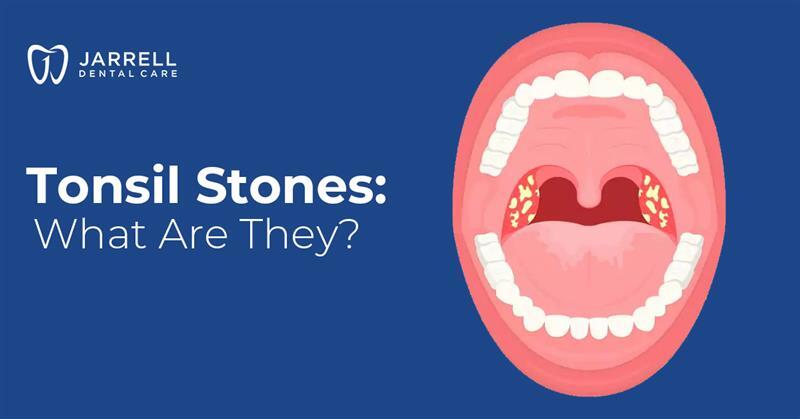
In the cracks of the tonsils, tiny, hardened objects called tonsilloliths or tonsil stones form. They can cause discomfort, poor breath and throat irritation, despite the fact that they are usually harmless. Until they experience symptoms or become aware of them during a dental or medical checkup, many people are ignorant of their existence.
Maintaining improved oral and throat health can be achieved by knowing what tonsil stones are, why they occur and how to avoid them. For efficient management of this problem, a reputable dental office in Jarrell can offer expert advice and treatment options.
Understanding Tonsil Stones
Two little glands at the back of the throat are called tonsils. By capturing germs and debris that enter through the mouth and nose, they contribute to the immune system. Food particles, dead cells, mucus and germs can all build up in the tonsils’ tiny tombs or pockets over time. A tonsil stone is the result of this debris solidifying or calcifying.
The size and texture of tonsil stones vary. Some can get bigger and more apparent, while others are as tiny as a grain of rice. They are usually whitish or yellowish in color and because they include bacteria that produce sulfate, they may smell bad.
What Is the Texture of Tonsil Stones?
Tonsil stones are generally firm or hard, with a rough, crumbly or pebble-like texture. Their consistency can vary depending on their size and how much the trapped material has hardened. They are often white, cream or yellowish and may have an unpleasant smell.
Small tonsil stones may be difficult to see, particularly when they sit deep inside the tonsillar crypts. A sensation of something stuck in the throat or persistent bad breath can sometimes occur, but these symptoms do not confirm that tonsil stones are present.
Avoid repeatedly touching, squeezing or scraping the tonsils to check their texture. If you notice persistent discomfort, bleeding or uncertainty about a lump in your throat, consult a healthcare professional.
Why Do Tonsils Have Cracks or Holes?
The small folds, pits and pockets on the surface of the tonsils are called tonsillar crypts. These structures are a normal part of tonsil anatomy, although their depth and appearance vary from person to person.
Food particles, mucus, dead cells and microorganisms can become trapped in these pockets. Over time, the material may harden and form tonsil stones. This is why people with deeper tonsillar crypts may be more prone to developing them.
Tonsil cracks or crevices do not automatically mean that an infection is present. However, swollen or very red tonsils, persistent throat pain, fever, or worsening difficulty swallowing may indicate another condition that needs medical assessment.
Do not use sharp objects or apply force to investigate or clean tonsil crevices. Seek professional advice if you are concerned about changes in your tonsils.
Typical Reasons for Tonsil Stones
Tonsil stones can develop due to a number of circumstances. One of the most frequent causes is poor dental hygiene, which permits debris and bacteria to build up in the mouth and throat. Because chronic tonsillitis or inflammation of the tonsils, enlarges the tonsil crypts and increases their propensity to collect debris, it can also raise the risk of stones. Additional contributing elements consist of:
- Post-nasal drip: Bacteria and other particles may be carried by mucus that drains from the sinuses and lodges in the tonsils.
- Dry mouth: Bacteria flourish when saliva flow is reduced, raising the possibility of accumulation.
- Smoking: Smoking can change the mouth’s natural bacterial balance, which can lead to the development of stones.
A professional evaluation at a Dental office in Jarrell can help identify underlying causes and recommend preventive measures tailored to each patient’s needs.
Tonsil stone symptoms
Sometimes tonsil stones are overlooked, particularly if they are little. Larger stones, however, could result in obvious symptoms like:
- Halitosis, or persistent bad breath
- Discomfort while swallowing or sore throat
- A sensation of having something lodged in the throat
- Pain in the ears (caused by common neural pathways)
- Yellow or white dots that are visible on the tonsils
Tonsil stones can occasionally come loose on their own while eating or coughing. However, professional removal can be required if they continue or cause discomfort.
Treatment and Prevention
The size and severity of tonsil stones determine how they should be treated. Small stones are frequently easily removed at home with a cotton swab or mild washing. Using warm salt water to gargle can help decrease microorganisms and loosen debris. A dentist or ENT specialist may advise professional removal of larger or more frequent stones or, in extreme situations, tonsillectomy.
Maintaining proper oral hygiene is the major goal of preventive care. Bacterial accumulation can be reduced by using an antimicrobial mouthwash, flossing and brushing the teeth and tongue twice a day. The risk of stone development is also decreased by drinking enough of water and abstaining from smoking.
Conclusion
A common but sometimes disregarded ailment that can impact oral and throat health is tonsil stones. Although they are often benign, if addressed, they can result in discomfort and chronic bad breath. Prevention and early detection depend on routine dental examinations and good oral hygiene.
For expert care and personalized treatment, Jarrell Dental Care offers comprehensive dental services and professional advice. With the support of a trusted Dental office in Jarrell, patients can maintain a cleaner, healthier mouth and prevent the recurrence of tonsil stones.
FAQ’s
1. What are tonsil stones?
Tonsil stones are small, hardened deposits made from trapped debris and microorganisms that accumulate in the natural pockets of the tonsils. They are also called tonsilloliths and are often white or yellow.
2. What is the texture of tonsil stones?
Tonsil stones are usually firm or hard and may feel rough, gritty or crumbly. Their texture varies with their size and degree of hardening.
3. Are cracks in tonsils normal?
Tonsils naturally have small folds and pockets called tonsillar crypts. These are not necessarily a sign of disease, but persistent pain, swelling, fever or other concerning symptoms should be assessed by a healthcare professional.
4. What causes tonsil stones to form?
Tonsil stones form when food particles, mucus, dead cells and microorganisms become trapped in tonsillar crypts and gradually harden. The shape and depth of these pockets can influence how easily debris collects.
5. Can tonsil stones go away on their own?
Yes. Small tonsil stones may loosen and come out naturally. If they keep returning or cause persistent discomfort, seek advice from a healthcare professional.
6. When should I seek medical advice about tonsil stones?
Seek professional advice if stones repeatedly return, symptoms persist, or you experience bleeding or significant throat pain. Difficulty breathing or an inability to swallow requires urgent medical assessment.