


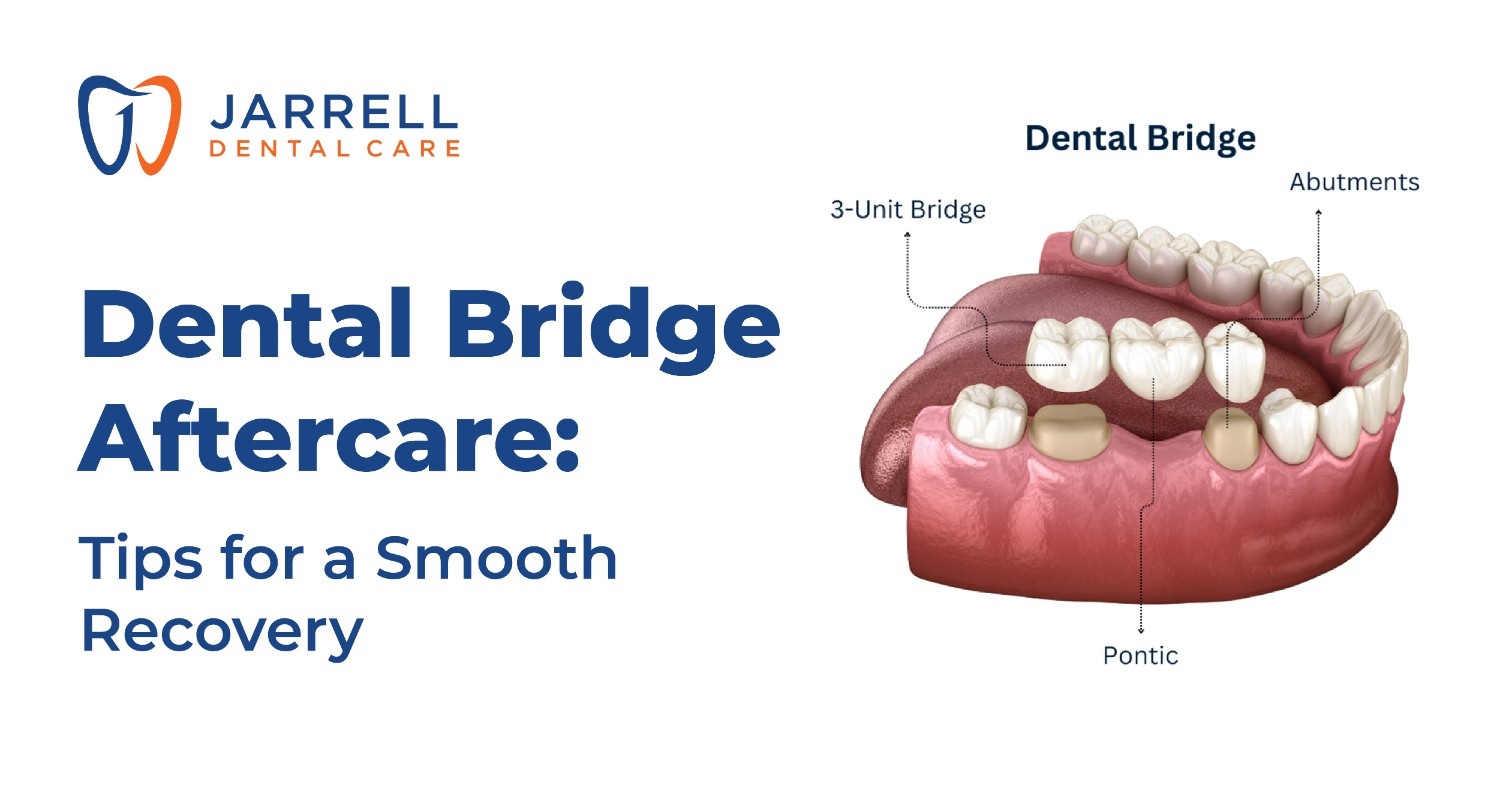
Getting a dental bridge is a big step toward restoring your smile. It fills gaps. It improves chewing. It also brings back confidence. However, what happens after the procedure matters just as much as the treatment itself.
If you’ve ever wondered why aftercare makes such a difference, let us explain. A dental bridge depends on healthy surrounding teeth and gums.
Therefore, proper care helps protect your investment and avoid future problems. The good news is that recovery is usually smooth. With a few simple habits, healing becomes easier and more comfortable.
How to Care for Your Dental Bridge After Treatment
Proper aftercare is essential to ensure your dental bridge remains comfortable, functional, and long-lasting. Maintaining good oral hygiene, brushing twice daily, flossing around the bridge, and avoiding excessively hard or sticky foods can help protect both the restoration and supporting teeth. Regular dental checkups also allow your dentist to monitor the bridge and address any issues early, helping you enjoy a healthy and confident smile for years to come.
What To Expect During the Initial Healing Process?
After a bridge is installed, your mouth will have to adjust to the change. Therefore, mild tooth sensitivity to hot or cold food and some gum tenderness can be experienced. Also, you might notice a slight discrepancy with the way you’re chewing.
For those recovering from a dental bridge Jarrell procedure, a few days are enough to alleviate all unpleasant symptoms. However, sharp pain requires urgent medical attention.
Understanding the adjustment period will prevent panic and help heal faster.
Importance of Maintaining Good Hygiene Practices
A bridge relies on supporting teeth. Thus, it’s important to take proper care of oral hygiene. Using a soft toothbrush, brush twice a day with fluoride toothpaste. Floss your teeth carefully with floss threaders, as food particles can get stuck underneath.
Flossing prevents plaque buildup. Otherwise, supporting teeth can deteriorate sooner than it was planned. Hence, patients who want to benefit from a dental bridge in Jarrell must develop strong hygiene practices.
Important Diet Recommendations to Consider
During recovery, it’s recommended to consume soft foods. Yoghurt, eggs, soup and steamed vegetables should be the go-to choice. Avoid sticky and tough foods, though. Chewing ice cubes, caramel candies and nuts put excessive strain on a newly installed bridge. Therefore, it’s advisable to cut food into smaller portions.
Following a specific diet will ensure fast recovery and prevent complications.
Advice On How To Manage Pain
Some tenderness can occur during the initial stages of healing. Taking over-the-counter medications is permitted but should only be done on the advice of your dentist. Additionally, rinsing with salt water can soothe the discomfort of the gums.
In case of bite discrepancy, make sure to inform your provider. For those with a dental bridge Jarrell procedure, it’s best to get checked out as soon as possible.
All symptoms are likely to subside in a few days.
Need For Regular Check-Up Appointments
Visiting the dentist regularly allows for monitoring the condition of gums and teeth, as well as verifying the correct installation. Professional cleaning services remove plaque from hard-to-reach spots. Besides, these appointments can help increase the lifespan of a bridge.
A night guard may be advised if you grind your teeth.
Regular check-ups provide long-term benefits.
Steps Required To Protect the Investment
It’s important to use your teeth for their intended purpose, meaning that you shouldn’t use your dental bridge to break any packaging materials. Drink plenty of water to wash away food residues from the mouth. Finally, it’s crucial to maintain overall health because diseases can negatively affect dental bridges.
If you’re considering getting a bridge, it’s best to learn how to care for it beforehand.
Conclusion
Taking proper care of your bridge after recovery won’t require too many efforts. All you need is to follow easy tips on oral hygiene, eat nutritious foods and get regular check-ups. For quality and professional dental assistance, book an appointment with Jarrell Dental Care.